
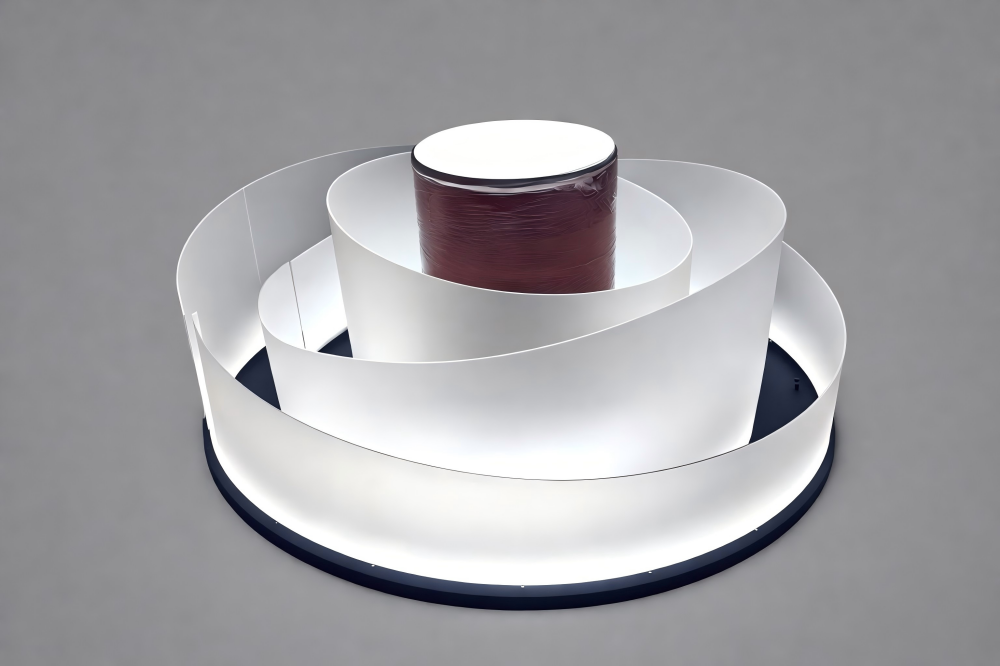
Can Acrylic Sheet Withstand Heat?
Acrylic sheets, often referred to as plexiglass or lucite, are widely used in various industries due to their clarity, durability, and versatility. However, one common question that arises is: Can acrylic sheets withstand heat? Understanding the heat resistance of acrylic is crucial, especially for applications involving high temperatures or outdoor exposure.
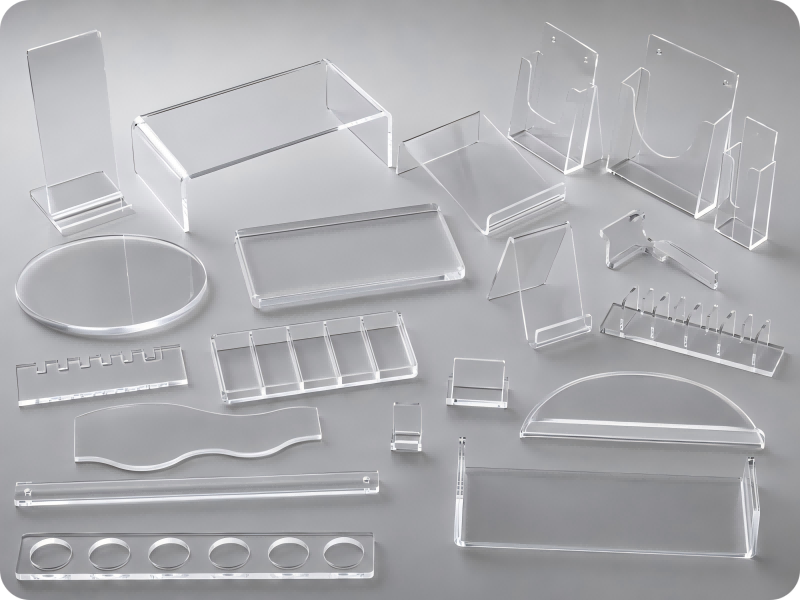
Melting & Softening Points of Acrylic
Softening Temperature: Acrylic begins to soften at approximately 71-99°C
Melting Point: Acrylic will start to deform and lose its shape around 160°C.
Ignition Point: Acrylic can ignite at temperatures exceeding 460°C, making it unsuitable for extreme heat exposure.
Heat Resistance of Acrylic Material
Acrylic material is generally heat-resistant to a certain degree, but it does have limitations. Acrylic has a glass transition temperature (Tg) of about 100°C (212°F), which means it starts to soften and lose its shape once it reaches this temperature. In practical terms, this means that while acrylic products can endure exposure to moderate heat (like the sun’s rays), they are not ideal for high-temperature environments.
What Happens When Acrylic Gets Too Hot?
Softening: Acrylic begins to soften when exposed to temperatures near or above 100°C, which can lead to distortion or warping.
Melting: In extreme heat, acrylic can melt, which compromises its structural integrity.
Discoloration: Prolonged exposure to high heat can also cause acrylic to discolor or become brittle, especially in direct sunlight.
Despite its limitations, acrylic sheets can still be used in applications where indirect heat exposure occurs, such as:
Retail Displays-Indoor signage and product enclosures that experience moderate warmth.
Greenhouses-UV-resistant acrylic sheets help regulate heat while maintaining clarity.
Lighting Fixtures-Acrylic diffusers for LED lighting offer excellent light transmission with minimal heat exposure. White translucent acrylic is great for this application.
Furniture & Interior Decor-Tabletops and partitions where exposure to sunlight occurs but not direct heat.
How to Use Acrylic in Outdoor Applications?
Acrylic can be used in various outdoor settings as long as it is protected from extreme heat. Here are some of the best uses for acrylic signage & displays and acrylic products in outdoor environments:
Acrylic Signage & Displays
Acrylic is a popular choice for outdoor signage due to its clarity, durability, and aesthetic appeal. acrylic signage & displaysare used in retail, real estate, events, and many other industries. The key to using acrylic for outdoor signage is to ensure it is protected from excessive heat.
Acrylic Products for Outdoor Furniture
Acrylic is often used in outdoor furniture due to its sleek appearance and durability. It can withstand the elements, including rain and cold, but care should be taken to avoid placing acrylic furniture in places where heat might cause warping or discoloration. Similarly, outdoor brochure holders made from acrylic offer weather-resistant protection for printed materials, making them a practical and professional choice for exterior signage and marketing displays.
Acrylic Pools and Hot Tubs
Acrylic is frequently used in the construction of swimming pools and hot tubs because of its excellent clarity and smooth surface. When combined with reinforcement, acrylic can withstand the temperature changes typical in water-based applications. However, caution should be taken if exposed to high temperatures for extended periods.
Acrylic Skylights
Acrylic is also used for skylights and roof panels in outdoor environments. Its ability to transmit light without distorting it makes it a popular option for bringing natural light into a building. While it’s not suitable for areas with extreme temperatures, it performs well in moderate climates.
Outdoor Displays for Events and Trade Shows
Acrylic is widely used for displays at trade shows and outdoor events. These applications require materials that are both durable and visually appealing, and acrylic fits the bill perfectly.
Protection Tips for Acrylic in Outdoor Applications
While acrylic can be used outdoors, proper care is essential to protect it from heat and ensure its longevity. Here are some tips:
Use Acrylic with UV Coatings: Choose acrylic products that come with UV protection coatings to reduce the risk of yellowing and fading.
Avoid Direct Heat Sources: Keep acrylic products away from direct heat sources like exhausts, heaters, or areas that get excessively hot.
Regular Cleaning: Keep acrylic clean to maintain its clarity. Avoid abrasive cleaners that could scratch the surface.
Avoid Direct Contact with High Temperatures
Acrylic should never be used as a direct barrier for heat-intensive applications such as ovens, grills, or industrial machinery.
Provide Proper Ventilation
If acrylic must be used near a heat source, ensure that the surrounding area has adequate ventilation to disperse heat and prevent warping.
Conclusion
Acrylic material is heat-resistant to a certain degree, but it has limitations when exposed to extreme temperatures. While it can endure moderate heat, acrylic products may soften, warp, or discolor when exposed to excessive heat for prolonged periods. However, with proper care and protection, acrylic remains an excellent choice for various outdoor applications, including acrylic signage & displays.

Leave a Reply
Want to join the discussion?Feel free to contribute!