
Does Acrylic Sheet Crack Easily?
Acrylic sheet—commonly known as PMMA (Polymethyl Methacrylate) or plexiglass—is famous for its crystal clarity and lightweight strength.
However, many first-time users ask: Does acrylic sheet crack easily?
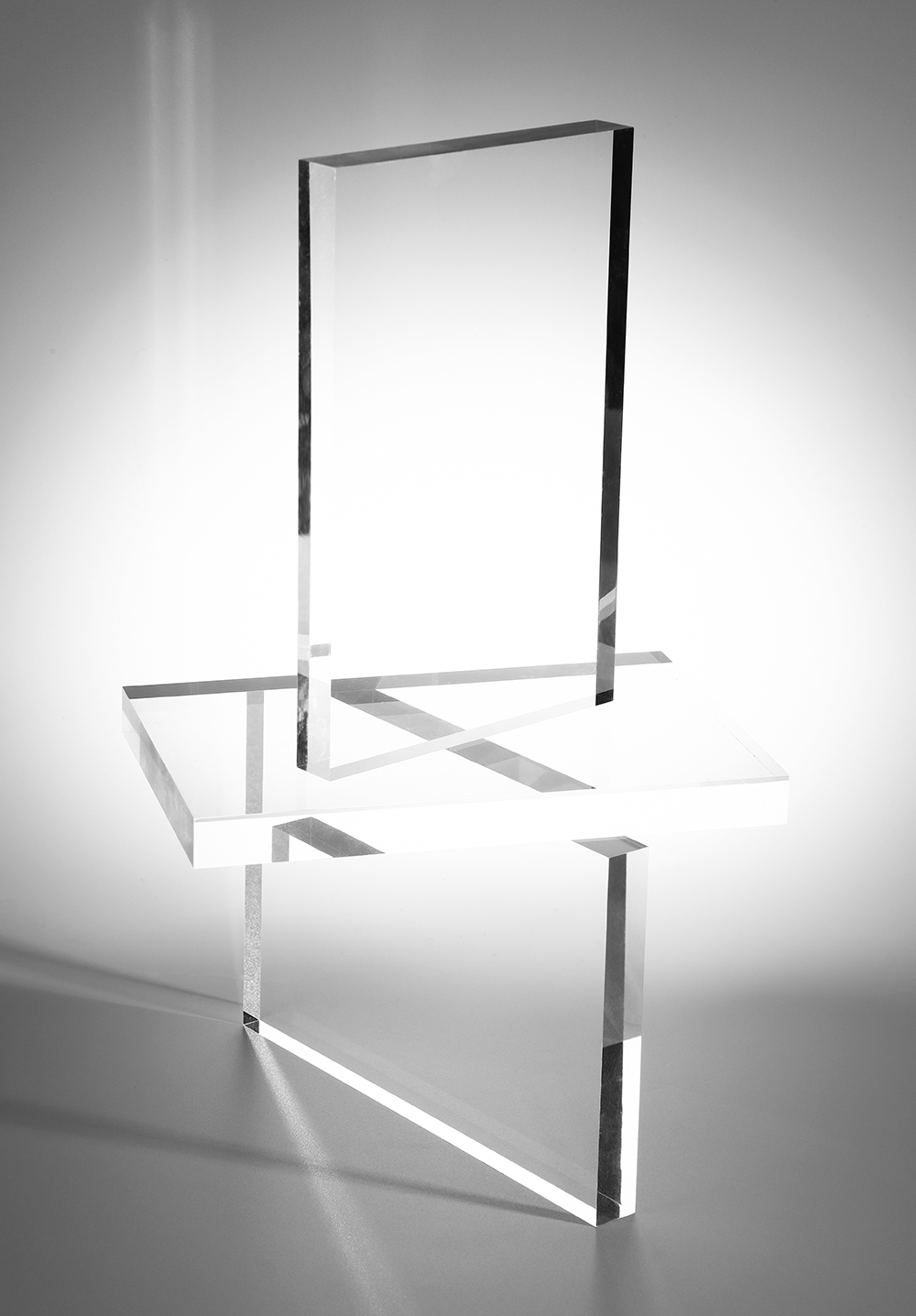
The answer is no—acrylic does not break easily under normal use. In fact, it is 10 times more impact-resistant than glass and can withstand everyday knocks, weather changes, and fabrication stresses remarkably well.
At Kingscope, we manufacture optical and Decorative Acrylic Sheets designed for high strength, durability, and long service life across lighting, signage, and architectural projects.
Reasons why it’s not easily cracked?
1. High toughness: Acrylic is 5 to 10 times more impact-resistant than regular glass, which means it can withstand minor bumps and shocks without shattering.
2. Great flexibility: When heated properly, acrylic can be bent and molded into various shapes. This flexibility helps it resist cracking under stress.
3. Good weather resistance: Acrylic is resistant to sunlight and rain, making it less likely to crack or degrade in outdoor environments.
Factors contributing to cracking?
While acrylic sheets are highly durable, they can still crack under certain circumstances. Understanding the factors that contribute to cracking can help us prevent it effectively. Here are some important factors to consider:
1. Impact: Acrylic sheets are impact-resistant, but excessive force or a sharp blow can cause cracking. Dropping heavy objects on the sheets or subjecting them to strong impacts can weaken their structural integrity and lead to cracks.
2. Temperature changes: Acrylic sheets have low thermal conductivity, and they expand and contract with changes in temperature. Rapid temperature fluctuations or exposing the sheets to extreme temperatures can result in cracks due to thermal stress.
3. Improper handling: Mishandling acrylic sheets during transportation or installation can increase the likelihood of cracking. Bending or flexing the sheets beyond their recommended limits, using excessive force while drilling or cutting, or not providing proper support during installation can all cause cracks.
4. Chemical exposure: Acrylic sheets have good chemical resistance but are not entirely immune to certain chemicals. Contact with strong solvents, such as acetone or gasoline, can lead to cracking or crazing (small spiderweb-like cracks on the surface).
Tips to prevent cracking?
To ensure the longevity of acrylic sheets and prevent cracking, it is important to adopt proper handling and maintenance practices. Here are some tips to consider:
1. Protective packaging: When transporting acrylic sheets, ensure they are adequately protected against impacts and vibrations. Place them in a sturdy box or crate and use cushioning materials such as foam or bubble wrap to prevent any movement.
2. Proper installation: Follow the manufacturer”s guidelines for installing acrylic sheets. Use appropriate tools and techniques to avoid exerting excessive force on the sheets. Ensure that they are adequately supported and securely fastened to prevent bending or sagging.
3. Avoid sharp impacts: Be cautious while handling acrylic sheets to avoid accidental impacts. Avoid dropping heavy objects on the sheets or subjecting them to sudden shocks. Using protective films or covers on the surface can also provide an extra layer of protection.
4. Acclimate to temperature: Before installation, allow the acrylic sheets to acclimate to the environment where they will be placed. This helps minimize the risk of cracking due to thermal stress caused by temperature changes.
5. Avoid chemical exposure: Avoid direct contact between acrylic sheets and strong solvents or chemicals. If contact occurs, promptly clean the sheets with a mild soap solution or specialized acrylic cleaner. Avoid using abrasive cleaners or rough materials that can scratch the surface.
6. Regular maintenance: Perform routine inspections and maintenance of acrylic sheets. Clean them regularly using a soft cloth or sponge and a non-abrasive cleaner. Remove any accumulated dirt or debris that can potentially cause scratches or cracks.
Real-world applications of acrylic sheet?
Thanks to its non-shattering nature, acrylic is a trusted material in industries that prioritize both safety and aesthetics:
Signage and advertising displays: Durable and weather-resistant, perfect for outdoor use.
Protective barriers: Used in offices, retail counters, and public spaces to ensure safety without sacrificing visibility.
Construction and architecture: Commonly found in windows, skylights, and partitions for their lightweight yet strong properties.
Furniture and interior design: Adds a modern, glass-like aesthetic without the fragility.
Medical and food industry: Acrylic with certifications like NSF ensures hygienic and safe usage. 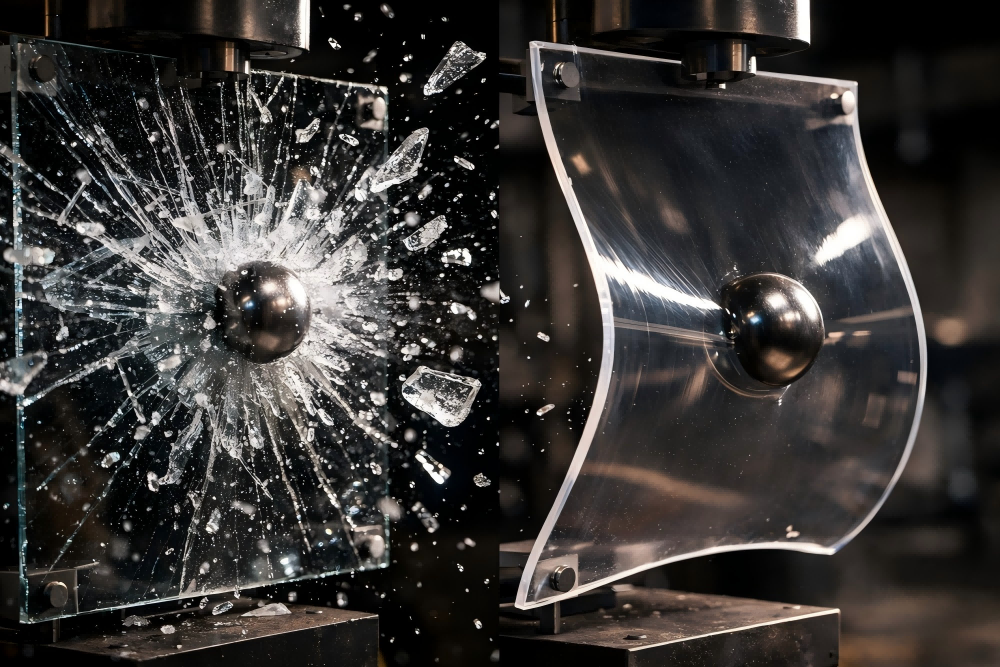
Alternative solutions?
While acrylic sheets are widely used due to their many benefits, there are alternative solutions available for specific applications where cracking is a major concern. These alternatives include:
1. Polycarbonate sheets: Polycarbonate sheets are another type of thermoplastic material known for their high impact resistance. They are virtually unbreakable, making them an excellent choice for applications where durability is crucial.
2. Tempered glass: Tempered glass is processed in a way that enhances its strength and impact resistance. It is resistant to scratches, heat, and chemicals. However, compared to acrylic sheets, it is more prone to shattering upon impact.
3. Laminated glass: Laminated glass consists of multiple layers of glass sandwiched together with an interlayer of polyvinyl butyral (PVB) or ethylene-vinyl acetate (EVA). This construction provides enhanced durability and resistance to impact.
4. Fiberglass reinforced panels: Fiberglass reinforced panels (FRP) are composed of a thermosetting plastic material reinforced with fiberglass strands. They offer excellent resistance to impact, chemicals, and extreme temperatures.
Conclusion
Acrylic sheets are durable and impact-resistant materials widely used in various industries. While they generally exhibit good resistance to cracking, it is important to consider factors such as impact, temperature changes, improper handling, and chemical exposure that can contribute to their cracking. By following proper handling practices and taking preventive measures, the risk of cracking in acrylic sheets can be significantly reduced. However, for applications where cracking is a major concern, alternative materials such as polycarbonate sheets, tempered glass, laminated glass, or fiberglass reinforced panels can be considered.

Leave a Reply
Want to join the discussion?Feel free to contribute!